Chapter Content
The Showdown with State Pressure (2011–2014)
8.1 The December 2011 Russian Election Standoff
By 2011, VKontakte had become the central platform for public discourse, civil discussion, and political organization in Russia. Following the Russian parliamentary elections in December 2011, opposition political groups used VK communities to coordinate public demonstrations.
On December 8, 2011, the Russian Federal Security Service (FSB) sent formal notices to Durov demanding the closure of five opposition VK groups. Durov publicly refused the request, posting a copy of the official letter alongside a photograph of a dog in a blue hoodie sticking out its tongue. Later that evening, armed security personnel arrived at his apartment building, but Durov refused to grant entry, and the agents eventually departed.
   [Dec 2011] FSB demands shutdown of opposition VK groups -> Durov publicly refuses
   [2012-2013] Growing political scrutiny and regulatory pressure on VK
   [Dec 2013] Durov refuses FSB demand for personal data of Ukrainian Euromaidan organizers
   [Apr 2014] Durov dismissed as CEO; departs Russia stating legal conditions are untenable
8.2 The 2013–2014 Demands and Public Disclosures
In late 2013 and early 2014, as political upheaval unfolded in Ukraine (the Euromaidan movement), Russian authorities demanded that VK hand over private data of organizers of Ukrainian protest communities and block anti-corruption activist Alexei Navalny's public page. Durov publicly posted the official requests and rejected them, stating that complying with jurisdiction-crossing data demands would violate user trust and the platform's terms of service.
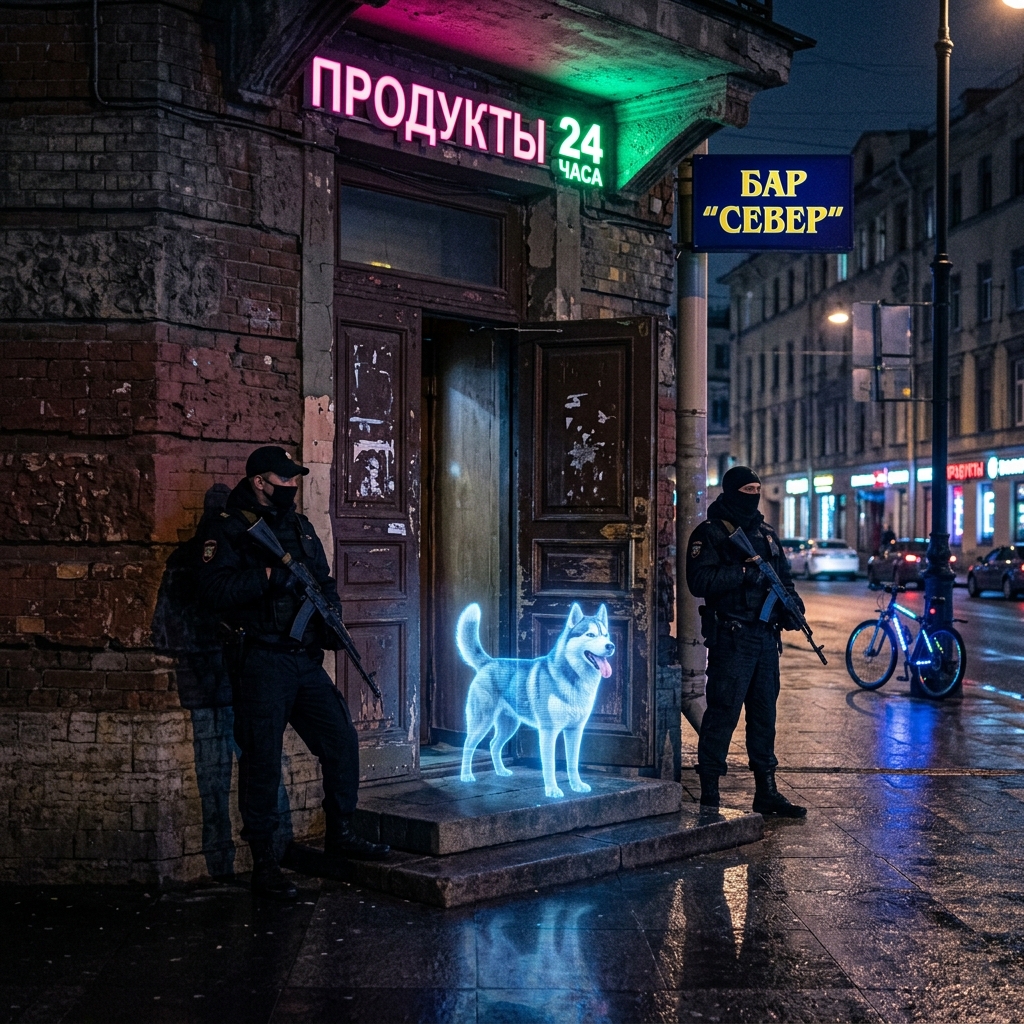
Artistic illustration representing the December 2011 standoff and Durov's widely reported public refusal to censor political opposition communities.